Research Peptide
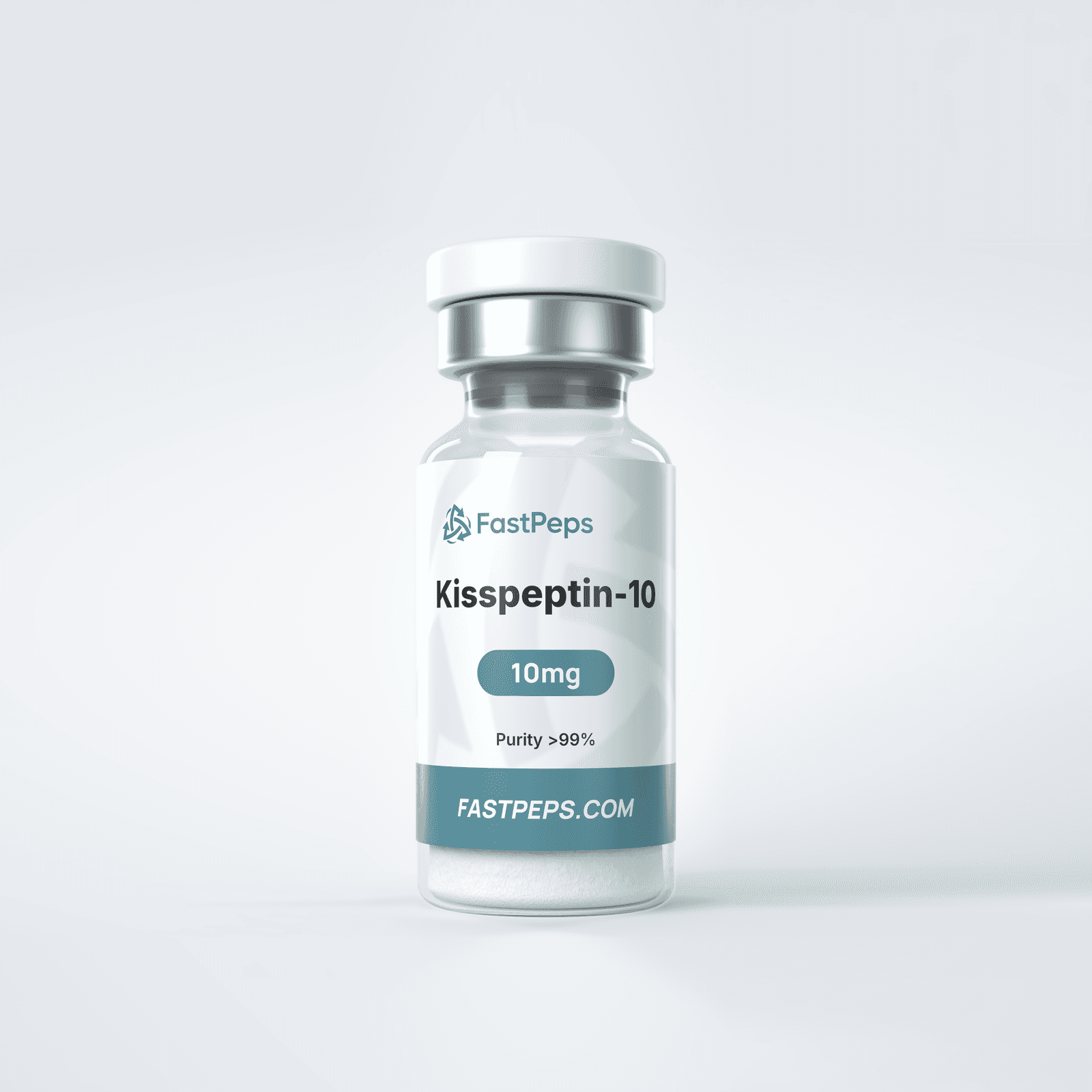
Kisspeptin-10
The master upstream regulator of the reproductive-hormone axis. Freeze-dried, ultra-pure, ready to reconstitute.
Save up to 30% on Kisspeptin-10.
Stack it with Tirz or Reta to unlock the savings.
20%
+1 peptide
25%
+2 peptides
30%
+3 or more


For research and educational purposes only. PepTalk discusses what researchers study in laboratory settings, not medical advice. Products are sold for laboratory research use only.
The short version
Kisspeptin-10 is a small signaling peptide that sits at the very top of the body's reproductive-hormone chain of command. Researchers study it because of where it acts: rather than adding a hormone from the outside, it switches on the body's own control center — which is why it's drawn so much attention in reproductive-endocrinology research.
What researchers are looking at
The body manages its reproductive hormones through a chain of command sometimes called the HPG axis: the brain signals the pituitary, the pituitary signals the gonads, and the gonads make testosterone or estrogen. Kisspeptin sits above all of that. It binds a receptor called GPR54 (KISS1R) on the GnRH neurons — the very first link in the chain — and tells them to fire.
When those neurons fire, they release GnRH in pulses, which prompts the pituitary to release two downstream messengers, LH and FSH, and those in turn drive the gonads. The detail researchers find most interesting is the position: because kisspeptin works at the top of the chain rather than flooding the system with a finished hormone, the literature describes it as preserving the axis's own rhythm instead of triggering the negative-feedback shutdown that exogenous hormones can cause.
Its other notable trait is timing. The peptide itself clears the body in minutes — a very short half-life — yet the hormonal cascade it sets off persists for hours. That mismatch between a brief signal and a long-lasting response is a recurring theme in how researchers study it. Because much of this work comes from controlled human reproductive-endocrinology studies as well as animal models, the findings are best read as what researchers observe about the HPG pathway rather than personal outcomes.
The top switch is flipped
Kisspeptin binds GPR54 (KISS1R) on GnRH neurons — the first link in the reproductive-hormone chain — and tells them to fire.
The pituitary responds
Those neurons release GnRH in pulses, prompting the pituitary to release the downstream messengers LH and FSH.
Without a feedback shutdown
Because it works at the top of the chain rather than adding a finished hormone, the literature describes it as not triggering the negative-feedback shutdown exogenous hormones can.
Where the evidence stands
an honest mapExtensively characterized across HPG-axis animal models
Controlled human reproductive-endocrinology studies reported
From the lab toward the clinic
Kisspeptin is unusual in this category for the depth of its human research: it has been studied in controlled reproductive-endocrinology settings — including fertility, ovulation-induction, and hypogonadism investigations — where researchers documented significant increases in LH pulse frequency and amplitude. That places it among the better-evidenced compounds on the page for HPG-axis research.
At a glance
What it is
A signaling peptide
10 amino acids
Studied for
HPG-axis regulation
LH, FSH, fertility research
How fast it acts
Brief signal, long effect
clears in minutes; cascade lasts hours
Research stage
Human studies reported
reproductive endocrinology
How it arrives
Lyophilized powder
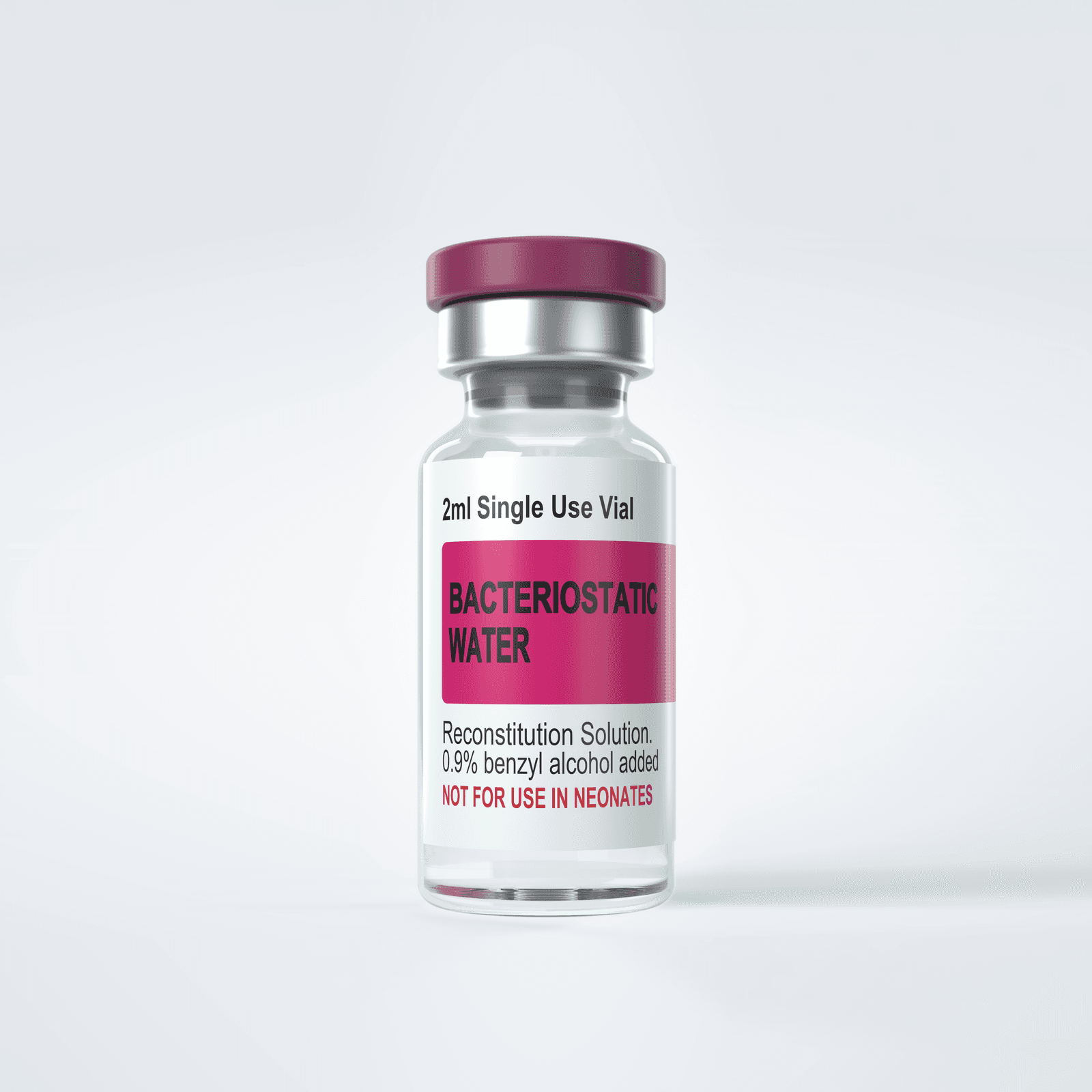
Ships freeze-dried for stability and shelf life. Before research use, it's reconstituted with bacteriostatic water. Once reconstituted, keep it refrigerated at 2-8°C and use within the window noted on the Certificate of Analysis.
Bacteriostatic water
Needed to reconstitute
Certificate of analysis
Common questions
It works one level up. Rather than adding a finished hormone like testosterone from the outside, kisspeptin acts on the GnRH neurons at the top of the HPG axis, prompting the body's own pituitary-gonadal chain to respond. In the research literature this upstream position is associated with preserving the axis's natural pulsing rather than triggering the negative-feedback shutdown that exogenous hormones can cause.
For laboratory and research use only. Sold exclusively for in-vitro research and laboratory experimentation. Not a drug, supplement, or article intended for human or veterinary use; nothing here is medical advice or a claim of therapeutic benefit. Statements describe findings from published research.
Your Reliable Source for High-Quality Research Peptides
FastPeps is more than just a trusted U.S. supplier of research peptides. We are a catalyst for scientific advancement, dedicated to providing the highest quality peptides that empower our clients to push the boundaries of research.